Your feet are the foundation for everything you do. When they don’t function properly, it can cause discomfort not only in the feet themselves but also in the ankles, knees, hips, and lower back. Orthotics (custom shoe inserts) are designed to provide support, improve alignment, and enhance overall foot function. Recognizing the signs you need orthotics helps you take proactive steps toward comfort and long-term foot health.
In this guide, we explain what orthotics do, describe the symptoms that indicate additional support may be needed, and explore how professional evaluation ensures the best solution for your individual needs.
How Orthotics Support Foot Health
Orthotics are not just padded inserts; they are medical devices that help restore proper foot mechanics. They work by supporting arches, redistributing pressure, and guiding your feet into healthier alignment. This can reduce strain on muscles, tendons, and joints, improve posture, and prevent the progression of conditions like plantar fasciitis, bunions, or hammertoes.
While some shoe inserts offer temporary relief, custom orthotics are tailored to your foot structure, gait, and activity level, designed to support comfort, balance, and mobility throughout daily activities, helping you maintain proper foot alignment and reduce strain on your joints.
Signs Your Feet May Benefit From Orthotics
Some symptoms suggest that your feet need additional support. Patients often notice gradual changes that may go unnoticed at first, including:
- Persistent pain or fatigue: Aching in the arches, heels, or balls of the feet, especially after standing or walking for extended periods.
- Balance or stability issues: Feeling unsteady or experiencing frequent ankle rolling, which may indicate under- or over-pronation.
- Pain in other areas: Misaligned feet can create strain in knees, hips, or lower back.
- Visible deformities or pressure points: Flat feet, high arches, bunions, or hammertoes that affect weight distribution and comfort.
These indicators do not always mean you need orthotics immediately, but they are strong reasons to seek professional evaluation to prevent long-term discomfort or injury.
Determining If Orthotics Are Right for You
Professional assessment is key to identifying how to know if I need shoe orthotics. A podiatrist evaluates:
- Your foot structure and arch type
- Gait and walking mechanics
- Areas of pressure or recurring discomfort
- History of foot injuries or chronic conditions
These assessments help ensure that custom orthotics provide long-lasting support, improve foot alignment, and enhance overall comfort and mobility.
Conditions That Commonly Require Orthotics
Certain structural or medical conditions often indicate that orthotics can be beneficial:
- Flat feet or fallen arches: Lack of arch support can cause strain in the lower extremities and reduce foot efficiency.
- High arches: Can create uneven pressure, leading to pain or overuse injuries.
- Plantar fasciitis: Heel or arch pain can improve with proper arch support.
- Bunions and hammertoes: Orthotics can relieve pressure on these areas and help prevent progression.
- Chronic foot or ankle instability: Weakness or imbalance can benefit from customized support.
Addressing these conditions early with professional guidance can reduce discomfort and prevent secondary injuries.
What to Expect Before and After Custom Orthotics
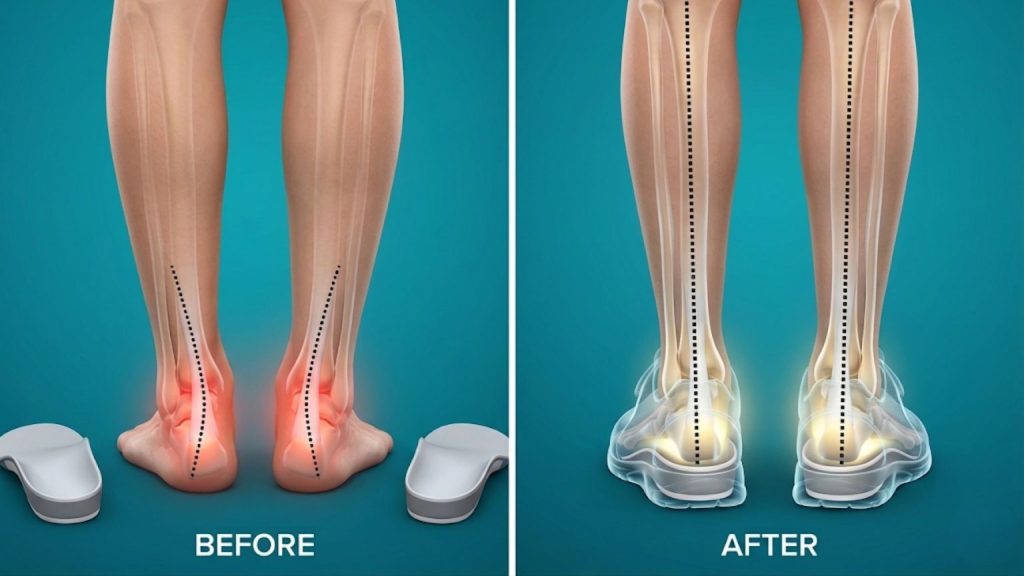
Custom orthotics differ significantly from standard shoe inserts. Before orthotics, patients may experience uneven pressure distribution, foot fatigue, or persistent pain. After evaluation and fitting, orthotics can:
- Support the arches and improve alignment
- Reduce localized pressure and discomfort
- Improve walking and running mechanics
- Protect against overuse injuries and promote long-term foot health
By working with a podiatrist, you ensure that your orthotics are designed for your unique anatomy and lifestyle, leading to better outcomes than generic solutions.
Supporting Foot Health Beyond Orthotics
Orthotics work best when combined with professional guidance and supportive habits. Key considerations include:
- Proper footwear: Shoes should fit well and accommodate your orthotics comfortably.
- Activity pacing: Gradually increase walking, running, or standing time to allow muscles and joints to adapt.
- Monitoring changes: Keep track of new pain, discomfort, or foot fatigue and report it to your provider.
- Follow-up evaluations: Regular visits allow adjustments to orthotics to maintain optimal support as your feet and activity level change.
These practices help create a stable foundation for your feet, supporting comfort and alignment over the long term while complementing the benefits of orthotics.
Next Steps for Maintaining Foot Health
If you experience persistent discomfort, fatigue, or instability in your feet, seeking professional evaluation is essential. At Rocky Mountain, we provide comprehensive assessment and guidance for custom orthotics, ensuring that each solution supports proper alignment, comfort, and long-term foot health.
A comprehensive evaluation can help identify subtle biomechanical issues that may contribute to pain or imbalance, guide appropriate treatment, and support long-term comfort and mobility. Early intervention allows for adjustments that prevent worsening symptoms, improve gait, and protect joints from additional strain.
You can schedule an appointment through our contact page to receive expert guidance and recommendations designed to optimize foot function and support your daily activities.

Comments are closed.